
Best Isopod Species for Beginners
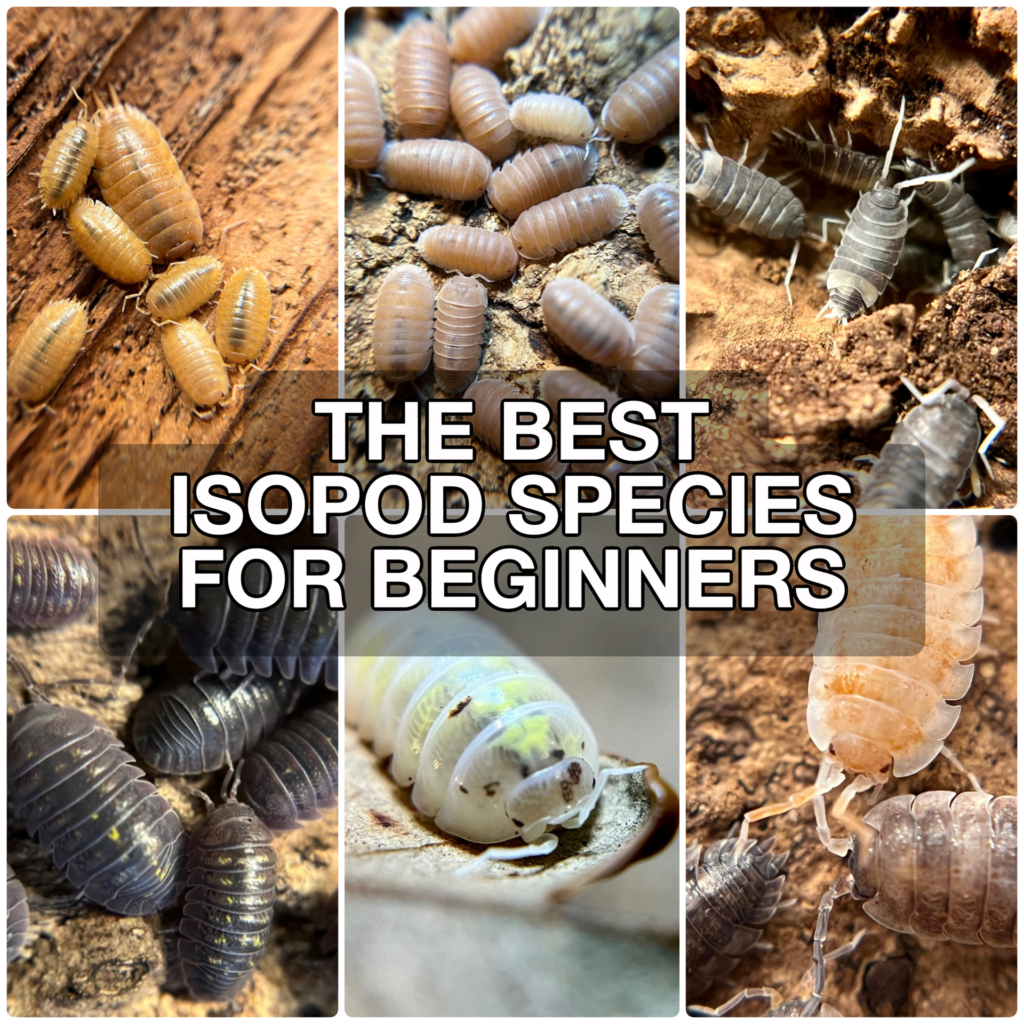
New keepers are often mesmerized by the vast diversity within the isopod hobby. If you’re among the majority, you probably saw a rubber ducky isopod somewhere and just about died from the cuteness! You threw up your hands and decided you would do just about anything to have some in a cool enclosure on your desk to look at when you needed that mid-day pick me up! Then you soon discover it’s not the easiest task, keeping a box of dirt alive. You have one remaining ducky and you’ve basically flushed $200 down the drain…
Well folks, I’m here to help! First off, and I know… you’ve heard it before, you DON’T want to hear it again and you’ll never actually learn but start with something cheap and easy! (…that’s what she said!)
But really, all jokes aside, I have recommendations for isopods to start with on your isopod keeping journey that are beginner friendly but also visually interesting, and allow the opportunity to learn and grow your knowledge of isopod husbandry without the unnecessary financial stress!
But before we dive in, here are some tips to get you started on how to acquire your isopods…
1.) Start WILD – go outside, flip over a leaf or a stick, check your garden beds, the cracks in a sidewalk, etc. isopods are EVERYWHERE and starting with the free ones outside is always where I suggest beginning your isopod keeping journey.
2.) Observe LOCAL – when exploring the areas around you, observe the types of isopods you see. These ones are the most hardy in your climate and would make good options as isopod pets!
3.) Find a breeder people TRUST – there are countless isopod breeders across the hobby who can supply you with a plethora of options to satisfy your collecting dreams! But if you’re looking for a group of reputable and proven isopod businesses, you’ve come to the right place. IsopodKeepers is the spot for trusted breeders and between all of us, we’ve got you covered. You can find great deals here, of course, but our collective wealth of knowledge and experience will help guide you toward the best options for you and your personal invert keeping needs. Don’t hesitate to contact us with your questions!
Okay! Now for the good stuff, the ISOPODS!! Here is a list of my top 5 beginner friendly isopod species:
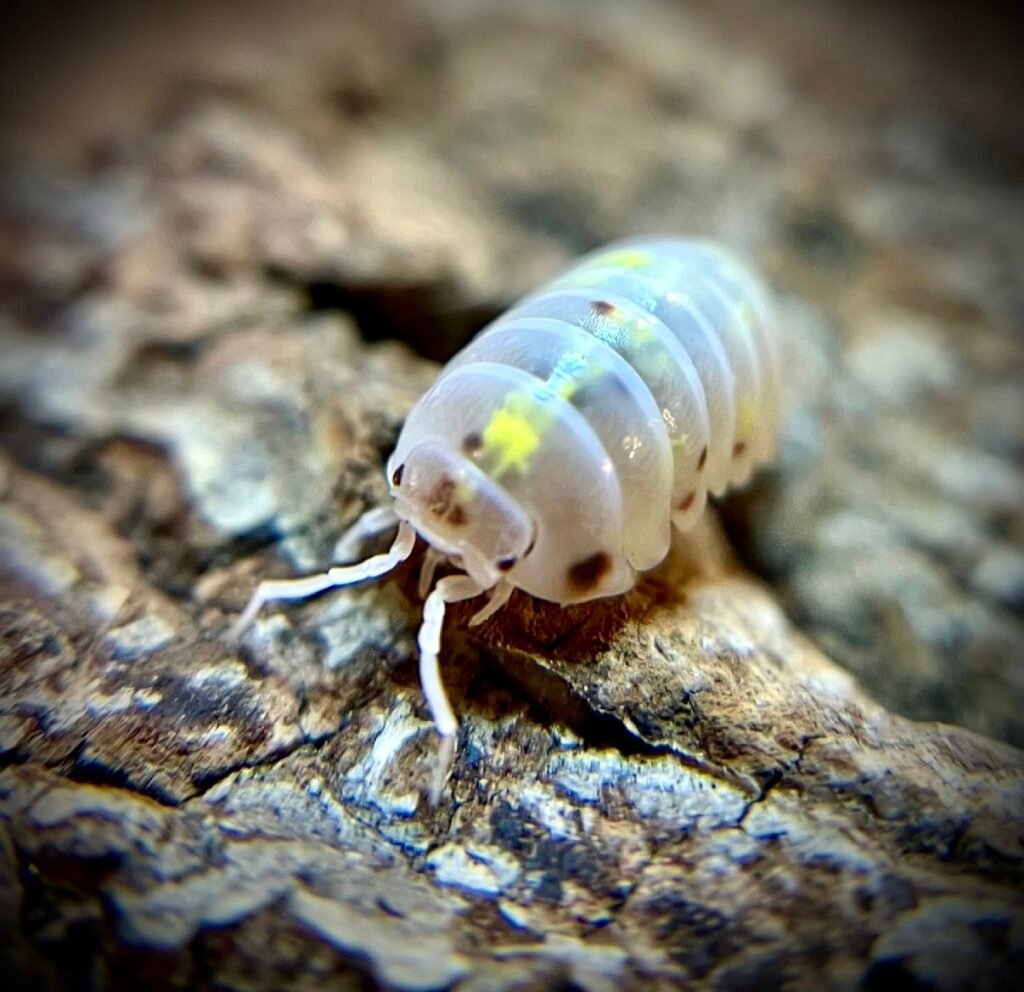
#1 Armadillidium vulgare – Vulgare has got to be the most common isopod in the United States, possibly the world! With countless morphs and localities producing an insane amount of variations within this single isopod species. These pods thrive at room temperature, love fresh vegetables and supplemental food offerings. They are hardy and tolerant of a range of environments. And in true roly poly fashion, they conglobate and roll into a tight, perfect ball! They are the simplest variety to care for as pets, the easiest to acquire and the most diverse! That’s why Armadillidium vulgare are my #1 pick for beginner isopods!
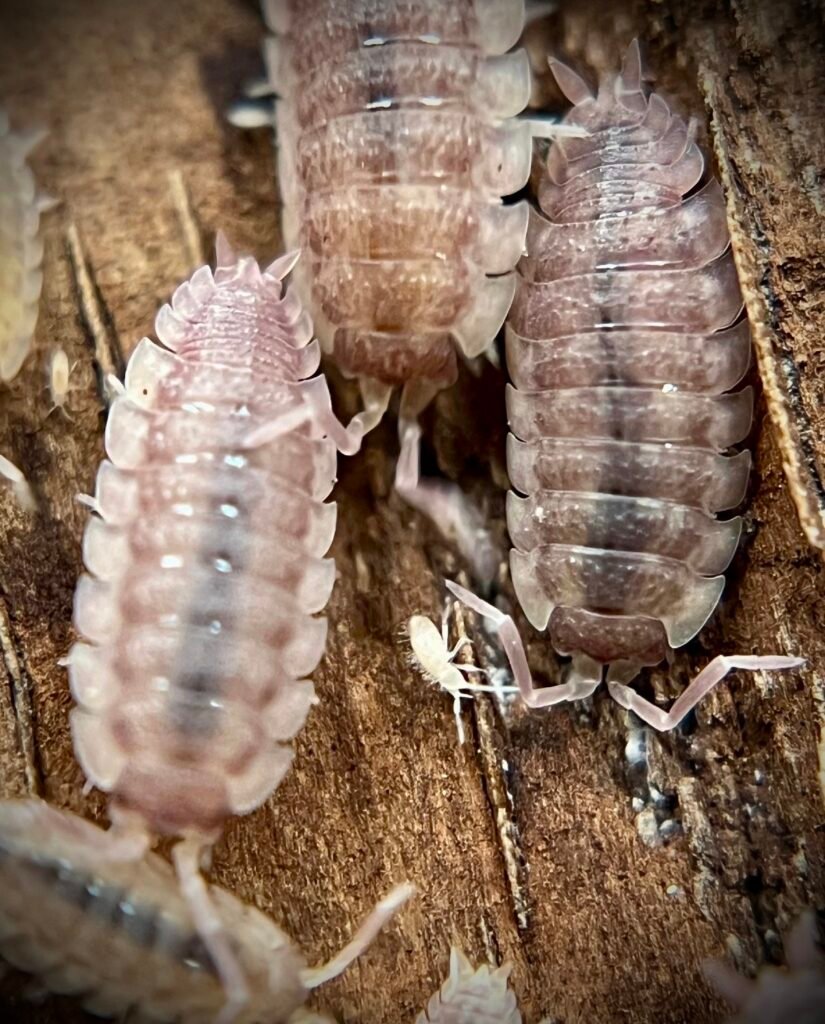
#2 Porcellio scaber – To me, scaber is the most under appreciated isopod in the hobby. A very hardy isopod that is common across the United States. Made popular by its “Lava” morph, there is an incredible number of other color morphs so you are bound to find something that piques your interest! Scabers aren’t shy and can be found exploring their enclosure during the day. They aren’t as hungry as their close friend, porcellio laevis so they can be a safer option for reptile clean up crews. They can handle a wide range of conditions, temperature swings and humidity fluctuations. For all these reasons and more, Porcellio scaber are my #2 pick for beginner isopod species!
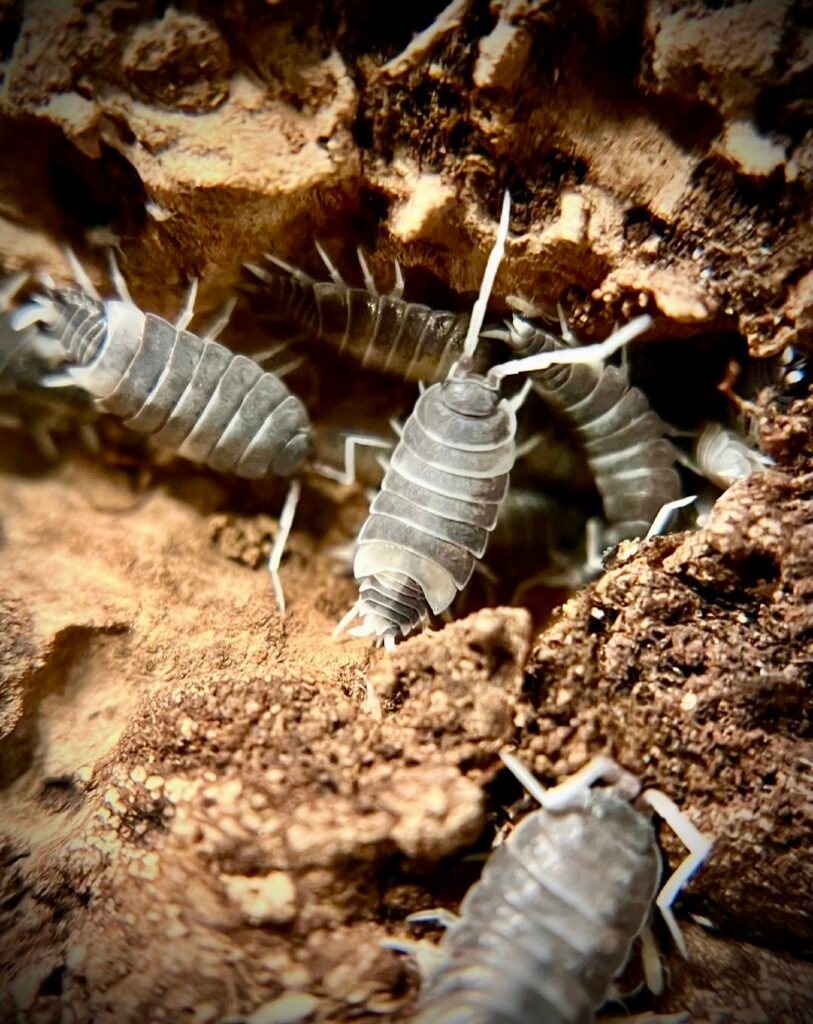
#3 Porcellionides pruinosus – or THE clean up crew isopod! The number one recommended isopod for bioactive enclosures and probably the most common isopod in the hobby. They are hardy, outgoing, cleaning machines! Often referred to as “powders” there are new morphs being isolated all the time which make these a fun option for people who are using their isopods for form AND function! My favorite morphs include “Oreo crumble” and “orange cream” but it’s honestly hard to choose! Due to their popularity, heavy hobby usage and ease of care, Porcellionides pruinosus make the #3 spot on our beginner isopod species list!
#4 Cubaris murina – another true roly poly, these cutie conglobaters are a close relative to the ones that started the craze, the “Rubber Ducky”. They could help you scratch that itch without going broke and you may even enjoy keeping them more! Murina are fairly outgoing and you can find them exploring their enclosure more often than rubber duckies by comparison. A tropical species, they do better with less ventilation and a higher temp range so keep this in mind when planing their enclosure. These isopods make the list at our #4 spot because they are the hardiest of the Cubaris family and tend to be very easy to care for, reproduce well and have tons of fun color morphs to choose from!
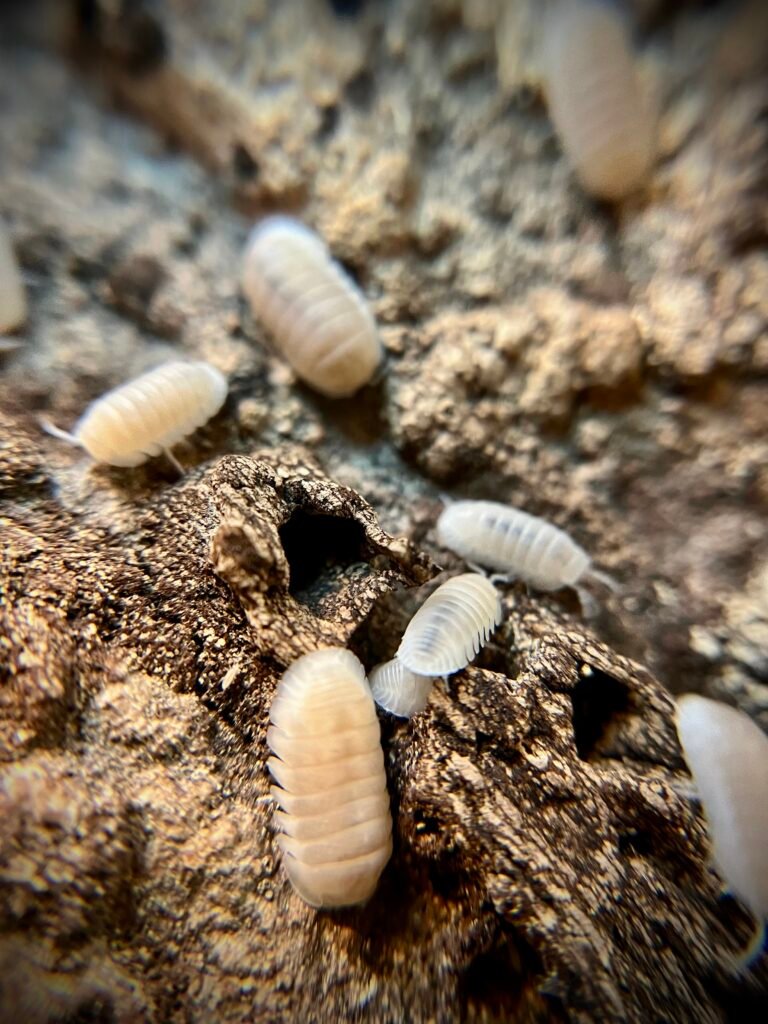
#5 Armadillidium granulatum – This species is nearly identical to A. vulgare, when it comes to their care, but they look very different. They get their name from their granulated texture and there are exciting morphs being isolated, including a “magic potion” line, orange and pink varieties and also a “koi” line, which is a personal favorite. This species caught my attention early on and it will always have a special place in my heart. Armadillidium granulatum makes #5 on our list because it’s easy to please, hardy and prolific!
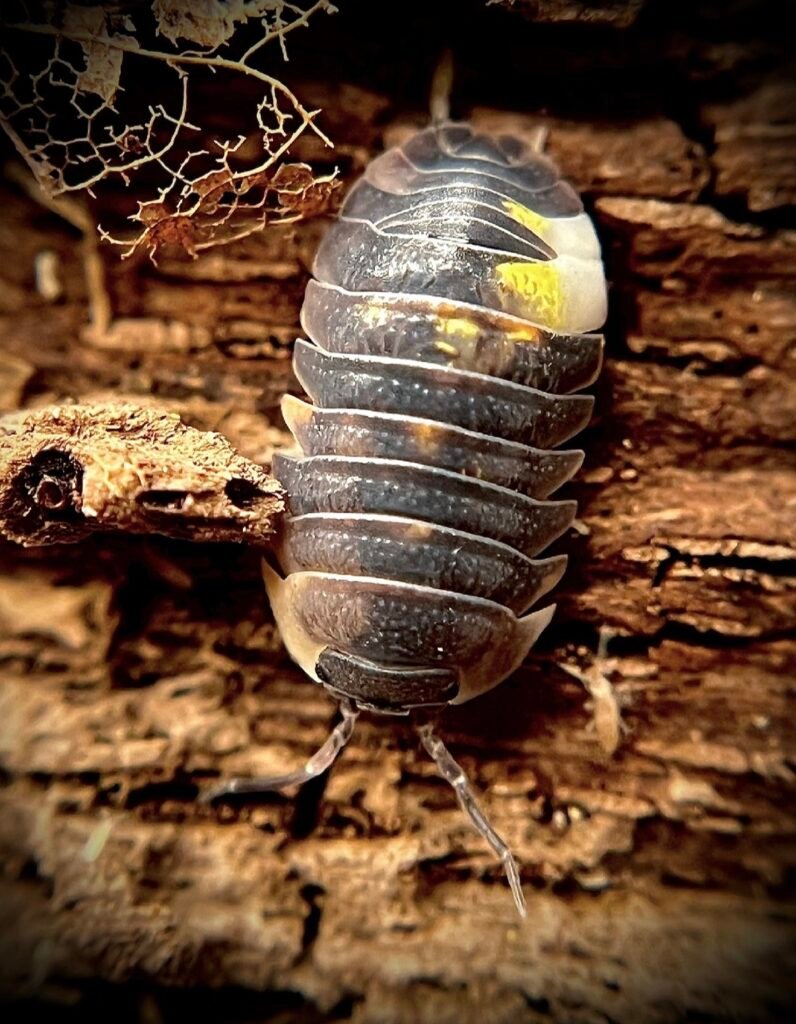
Honorable Mention: Porcellio laevis – If rubber duckies weren’t the first isopod you saw that got you excited about the hobby, it was probably the dairy cow! Porcellio laevis does have many other beautiful morphs but dairy cows often hogs the spotlight! Because of they’re so well known in the hobby, easy to find, easy to care for and ridiculously prolific, Porcellio laevis earns an honorable mention here for a great option for beginner isopod species.
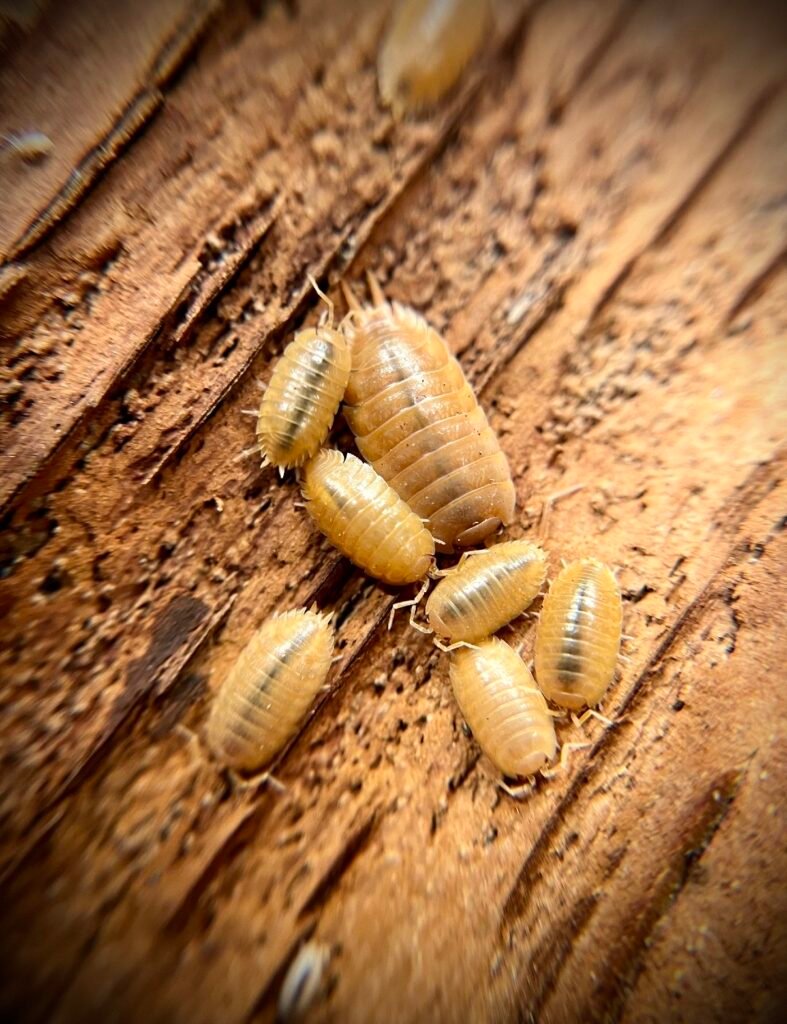
Whether you decide to take a suggestion from this list or start with a species not mentioned, something more challenging perhaps (or… more expensive) remember the key to success is doing your research! Take care to replicate the species natural environment as accurately as possible and give them time to establish and thrive. We want everyone to find success no matter what isopod they choose!
I hope this helps you on your isopod keeping journey, follow along for more experience based information and husbandry advice! We thank you for being here!